
Client testimonial examples: 10 Inspiring Quotes for 2025
In a crowded market, trust is your most valuable currency. While many businesses know they need social proof, they often settle for a simple quote on their homepage. However, the most effective testimonials are strategic assets that tell a compelling story, handle objections, and guide potential customers towards a decision. A powerful endorsement does more than just praise; it builds a bridge of credibility between your brand and your audience.
This guide moves beyond the basics, breaking down 10 powerful client testimonial examples across different formats. We will analyse precisely what makes each one work and provide actionable takeaways you can use to transform your own customer feedback from a simple compliment into a conversion powerhouse. You'll learn how to structure customer stories, leverage different platforms, and showcase specific, tangible results that resonate with your target audience.
Let's explore how to gather and showcase testimonials that truly drive results. With the right strategy, you can turn customer praise into your most persuasive marketing tool. The examples ahead provide a clear blueprint for collecting compelling social proof, a process made simple with platforms like GoodKudos.
1. Video Testimonials with Customer Success Stories
Video testimonials are one of the most powerful client testimonial examples because they offer an unparalleled layer of authenticity and emotional connection. This format features satisfied clients sharing their success stories on camera, transforming a simple review into a compelling narrative. By capturing tone of voice, facial expressions, and genuine enthusiasm, videos make testimonials more relatable and trustworthy than plain text ever could.
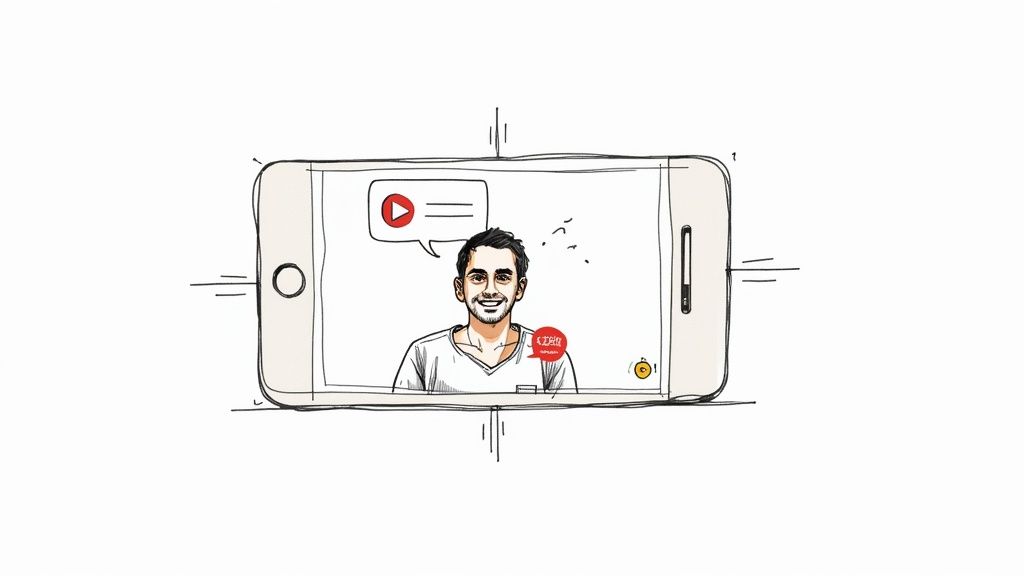
This approach is highly effective because it directly addresses a potential customer's need for social proof in a dynamic, easy-to-digest format. Brands like Salesforce and HubSpot have perfected this by creating polished, story-driven videos that feel less like an advert and more like a miniature documentary.
Why This Testimonial Example Works
Video testimonials excel at building trust quickly. When a prospect sees and hears a real person, who reflects their own challenges, endorsing a solution, it breaks down scepticism. The visual and auditory elements create a stronger emotional impact, making the success story more memorable and persuasive.
How to Implement This Strategy
- Focus on the Story Arc: Structure the video around a classic problem-solution-result narrative. Start with the challenge the client was facing before they found you.
- Keep it Concise: Aim for a 60-90 second duration. This is long enough to tell a compelling story but short enough to retain viewer attention on social media and landing pages.
- Prioritise Audio Quality: Viewers will forgive mediocre video quality, but poor audio is an instant turn-off. Invest in a good microphone to ensure the message is clear.
- Add Captions: A significant portion of social media videos are watched without sound. Adding captions makes your testimonial accessible to everyone, everywhere.
For businesses looking to simplify the collection of authentic video testimonials, platforms like GoodKudos offer streamlined tools to request, manage, and showcase customer stories with professional flair. Ready to start collecting powerful video reviews? Visit GoodKudos to see how it works.
2. Written Case Studies with Detailed Metrics
Written case studies are powerful client testimonial examples that provide an in-depth, data-driven look at a customer's success. This format moves beyond a simple quote to tell a complete story: the challenges the client faced, the solution you provided, and the specific, quantifiable results they achieved. By blending narrative with hard data, case studies offer compelling proof of your product's or service's value.
This approach is particularly effective in B2B markets, where purchasing decisions are heavily scrutinised and require detailed justification. Companies like HubSpot and AWS have set the standard, producing comprehensive studies that serve as cornerstone content for their sales and marketing efforts, building credibility with prospective enterprise clients.
Why This Testimonial Example Works
Case studies excel at persuading analytical and detail-orientated buyers. They provide the concrete evidence needed to build a business case for your solution. By outlining the entire customer journey and backing it up with metrics, you answer a prospect's key questions and overcome objections before they are even raised, accelerating the sales cycle.
How to Implement This Strategy
- Highlight Quantifiable Results: Use a compelling headline that features the most impressive metric, such as "How Company X Increased Revenue by 45%".
- Structure for Scannability: Organise the content with clear subheadings like "The Challenge," "The Solution," and "The Results" to make it easy to read.
- Include Direct Quotes: Weave in quotes from the client throughout the case study to add a human element and reinforce key points with their voice.
- Showcase Real People: Always include the client's name, title, and a professional photo to enhance authenticity and build trust.
For businesses aiming to gather the foundational stories needed for a compelling case study, platforms like GoodKudos can help you systematically collect detailed customer feedback and identify your biggest advocates.
3. Social Media Testimonials and User-Generated Content
Social media testimonials are authentic, bite-sized endorsements shared on platforms like Instagram, Twitter, or LinkedIn. These client testimonial examples leverage the power of user-generated content (UGC), where customers voluntarily create and share posts featuring a brand's product or service. This format thrives on public visibility and the inherent social proof that comes from a real person's profile.
This approach turns customers into brand advocates in their own digital spaces. Brands like Glossier and GoPro have built empires on this strategy by encouraging their communities to share authentic experiences, creating a powerful and scalable form of word-of-mouth marketing that feels organic rather than advertised.
Why This Testimonial Example Works
This format excels at building a sense of community and trust. When potential customers see peers enjoying a product in real-life settings, it feels more genuine and relatable than a polished corporate advertisement. The public nature of social media allows others to see the person behind the review, adding a layer of authenticity that is difficult to replicate.
How to Implement This Strategy
- Create a Branded Hashtag: Develop a unique and memorable hashtag and encourage customers to use it when they post about your brand.
- Repost Customer Content: Share the best user-generated content on your official channels, always giving proper credit to the original creator. This rewards customers and provides you with fresh content.
- Run Contests and Giveaways: Incentivise the creation of UGC by running contests for the best photo, video, or story featuring your product.
- Engage Actively: Respond to mentions, comments, and tags promptly. This engagement boosts visibility and shows your community that you are listening.
Managing and showcasing this steady stream of positive feedback can be challenging. For those looking to organise and leverage these powerful social media testimonials, platforms like GoodKudos offer tools to seamlessly curate and display customer praise.
4. Star Rating and Short Review Testimonials
Star ratings paired with short reviews are ubiquitous client testimonial examples, offering instant social proof at a glance. This format combines a simple visual cue (the 1-5 star rating) with a brief, text-based comment, providing a quick and digestible summary of a customer's experience. Found everywhere from Google and Trustpilot to Amazon, these reviews are a cornerstone of modern consumer decision-making.
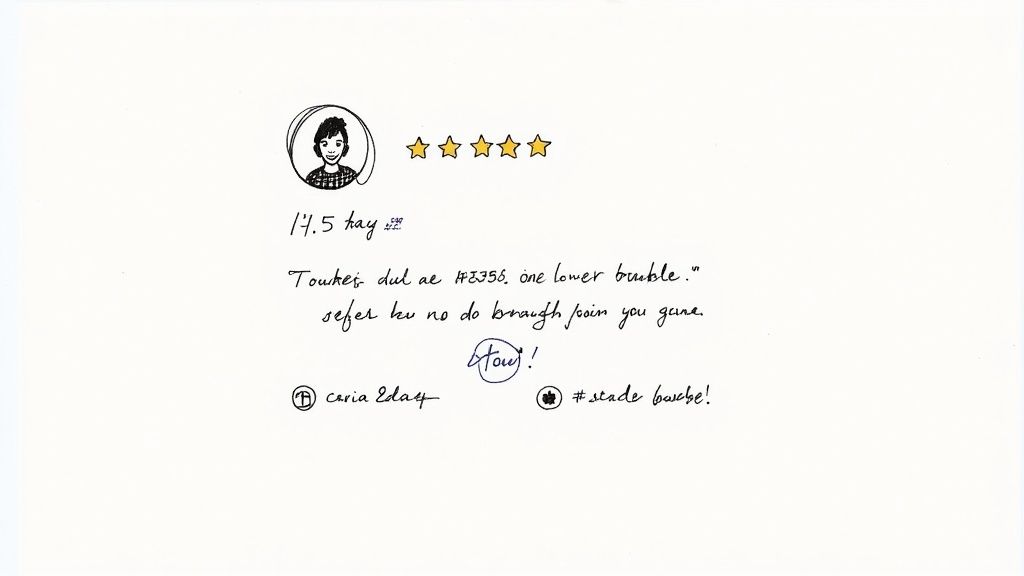
This approach is highly effective because it caters to the fast-paced nature of online browsing. A potential customer can instantly gauge overall sentiment from the star rating before diving into the written feedback for more context. Companies across all sectors, from local service providers on Google to global software firms on Capterra, rely on this format to build credibility.
Why This Testimonial Example Works
The power of star ratings and short reviews lies in their volume and accessibility. An high aggregate score from hundreds or thousands of customers provides powerful, large-scale social proof that is difficult to ignore. The concise nature of the reviews makes it easy for prospects to quickly scan multiple opinions, identify common themes, and make an informed decision without a significant time commitment.
How to Implement This Strategy
- Make it Effortless: Provide customers with a direct link to your preferred review platform (e.g., your Google Business Profile or Trustpilot page) to minimise friction.
- Encourage Specificity: In your review request, ask customers to mention the specific product or service they used. This adds valuable context for future readers.
- Engage with All Feedback: Respond professionally to both positive and negative reviews. Thanking happy customers and addressing concerns from unhappy ones shows you are actively listening.
- Showcase Your Best Reviews: Feature your top-rated reviews and overall score prominently on your website, product pages, and in marketing materials.
For organisations aiming to streamline the process of gathering and displaying powerful feedback, platforms like GoodKudos offer an integrated solution to manage reviews and enhance your online reputation effectively.
5. Email Testimonials and Newsletter Features
Email testimonials are a highly effective type of client testimonial examples that leverage your most direct communication channel. This format involves embedding customer success stories directly into newsletters or dedicated email campaigns, delivering social proof straight to the inboxes of your leads and existing customers. It transforms a standard marketing email into a powerful piece of relationship-building content.
This approach is perfect for lead nurturing and re-engaging subscribers. Companies like Mailchimp and HubSpot masterfully integrate customer stories into their email marketing, making their content feel more valuable and less promotional. By showcasing relatable results to a segmented audience, they reinforce their brand's value and keep their community engaged.
Why This Testimonial Example Works
Email testimonials succeed because they reach an audience that has already opted in to hear from you. This pre-existing relationship means the message is received with more trust and less scepticism than a public advert. It allows for more detailed, personalised storytelling that can be tailored to a specific segment of your audience, addressing their unique pain points and aspirations directly.
How to Implement This Strategy
- Segment Your Audience: Send testimonials that are highly relevant to the recipient. Group your email list by industry, business size, or past behaviour to ensure the story resonates.
- Craft a Compelling Subject Line: Hook the reader by teasing the result. Use subject lines like, "How [Client's Company] Increased Leads by 40%" to spark curiosity.
- Keep it Scannable: Present a concise version of the story within the email body, using bold text to highlight key results. Always include a clear call-to-action (CTA) that links to the full case study.
- Include a Customer Photo: Putting a face to the name significantly increases credibility and personal connection, making the testimonial feel more authentic.
For businesses aiming to gather powerful stories perfect for email features, platforms like GoodKudos provide an organised system for requesting, managing, and formatting testimonials for any campaign.
6. Podcast and Audio Interview Testimonials
Podcast and audio interview testimonials leverage the growing popularity of on-demand audio content to deliver in-depth, conversational client testimonial examples. This format moves beyond a short soundbite, allowing a customer to share their journey in a natural, long-form discussion. It transforms a simple review into an engaging story that listeners can connect with during their commute, workout, or daily routine.
This approach is highly effective because it offers the authenticity of a real conversation while providing detailed insights into the customer's challenges and successes. Brands like Shopify Masters and The GaryVee Audio Experience utilise this format to feature entrepreneurs who openly discuss how specific tools or strategies fuelled their growth, creating content that is both educational and promotional.
Why This Testimonial Example Works
Audio testimonials build a unique form of intimacy and authority. The conversational flow makes the endorsement feel less like a rehearsed script and more like a genuine, trusted recommendation from a peer. Listeners can hear the nuance and sincerity in the client's voice, which builds credibility and allows for a much deeper exploration of the value your product or service provides.
How to Implement This Strategy
- Guide the Conversation: Prepare a list of open-ended questions to guide the interview, but allow for natural conversation and follow-up questions to explore interesting points.
- Invest in Quality Audio: Clear, crisp audio is non-negotiable for podcasts. Use professional microphones and recording software to ensure a high-quality listening experience.
- Create Engaging Titles: Use episode titles that highlight a specific, impressive result or a key challenge your client overcame, such as "How [Client Name] Doubled Their Revenue in Six Months".
- Repurpose Your Content: Publish a full transcript on your blog for SEO benefits and accessibility. Create short, impactful audiograms or video clips from the best moments to share on social media.
For organisations looking to gather authentic testimonials in various formats, platforms like GoodKudos offer an all-in-one solution to request, manage, and showcase powerful customer stories.
7. Webinar and Live Event Testimonials
Webinar and live event testimonials are powerful client testimonial examples that leverage real-time interaction to build credibility. This format involves having satisfied clients present their success stories live, either in person at a conference or virtually during a webinar. They might lead a case study session, join a panel discussion, or simply share their experience, adding a dynamic and interactive layer to social proof.
This method transforms a standard testimonial into an engaging event, allowing prospects to ask questions and witness genuine, unscripted enthusiasm. Major tech conferences like HubSpot’s INBOUND and Salesforce’s World Tour frequently feature customer-led sessions, demonstrating the profound impact of seeing a peer advocate for a solution in a live, expert setting.
Why This Testimonial Example Works
The live format removes the polished, pre-packaged feel of many testimonials, creating a raw and authentic experience. When an audience sees a customer confidently presenting metrics and answering tough questions on the spot, it builds a deep level of trust and authority that pre-recorded content often struggles to match.
How to Implement This Strategy
- Select Articulate Advocates: Choose customers who are not only successful with your product but are also passionate and comfortable with public speaking.
- Rehearse Thoroughly: Conduct pre-event run-throughs to ensure the customer is confident with the material and technology, but keep the delivery feeling natural.
- Provide Clear Guidelines: Arm your customer advocate with a presentation template and key talking points, but encourage them to tell the story in their own words.
- Record and Repurpose: Always record the session in high quality. The footage can be edited into shorter clips for social media, landing pages, and email campaigns.
Platforms like GoodKudos can help you identify your most enthusiastic customers, making it easier to find the perfect advocates to feature in your next live event.
8. LinkedIn Recommendations and Professional Endorsements
LinkedIn recommendations are professionally verified client testimonial examples that thrive in the B2B ecosystem. This format leverages the world’s largest professional network, where colleagues, clients, and partners can write public endorsements of services, products, or individuals. The credibility is built-in, as each recommendation is tied to a real person’s professional profile, making it a powerful form of social proof.
This method is perfect for service providers, consultants, and B2B companies. For instance, a marketing agency can showcase recommendations from satisfied clients directly on their key team members' profiles, validating their expertise. It adds a layer of authenticity that is difficult to replicate, as the praise is publicly given and professionally contextualised.
Why This Testimonial Example Works
LinkedIn recommendations carry significant weight because they exist within a professional context. A prospect can verify the recommender's identity, role, and company, which instantly builds trust. Unlike anonymous website reviews, these endorsements are public statements from credible sources, making them highly persuasive for B2B decision-makers who value professional reputation.
How to Implement This Strategy
- Request at Key Moments: Ask for a recommendation immediately following a successful project completion or when a client expresses high satisfaction.
- Provide Clear Context: When you request a recommendation, gently guide your client by mentioning specific skills or project outcomes you'd appreciate them highlighting.
- Feature on Your Website: Embed or screenshot standout LinkedIn recommendations and display them on your website’s testimonial page for broader visibility.
- Build Reciprocal Relationships: Offer to write a genuine recommendation for your client in return. This strengthens your professional relationship and encourages mutual support.
To centralise testimonials from various platforms like LinkedIn, tools such as GoodKudos can help you organise and showcase your best social proof in one powerful hub.
9. Before-and-After Comparison Testimonials
Before-and-after testimonials are powerful client testimonial examples that visually or textually showcase a dramatic transformation. This format directly contrasts a customer's situation before using a product or service with the positive outcome they achieved afterwards, providing undeniable proof of value. It focuses on tangible results, making the impact of a solution crystal clear.
This method is particularly effective because it quantifies success and tells a compelling story of progress in a simple, easy-to-understand format. Companies like Fitbit, which shows fitness journey transformations, and Grammarly, which highlights improvements in writing clarity, use this approach to make their benefits instantly recognisable and highly persuasive.
Why This Testimonial Example Works
The before-and-after format excels at demonstrating a clear return on investment. By presenting a direct comparison, it removes ambiguity and allows potential clients to see the precise value they could gain. This tangible evidence builds immense credibility and addresses the core question every buyer asks: "What results can I expect?"
How to Implement This Strategy
- Gather Data from Both Stages: Collect metrics, photos, or qualitative feedback from clients both before they started and after they achieved their desired result.
- Visualise the Transformation: Use side-by-side images, charts, or graphs to make the comparison immediate and impactful. A simple table showing "old way" vs "new way" metrics works brilliantly.
- Include a Customer Quote: Pair the data with a quote that adds emotional context. The client’s own words about their journey add a layer of authenticity to the numbers.
- Be Specific with Timelines: Mention how long it took to achieve the "after" state. This manages expectations and adds another layer of credibility to the claim.
To effectively capture the full story for a compelling before-and-after case study, platforms like GoodKudos can help you systematically collect detailed feedback from clients at different stages of their journey.
10. Influencer and Industry Expert Testimonials
Leveraging endorsements from respected industry figures, influencers, or thought leaders is one of the most strategic client testimonial examples for building brand credibility. This format moves beyond customer feedback to feature validations from trusted, authoritative sources within your niche. An endorsement from a well-known expert acts as a powerful shortcut to gaining the trust of their entire audience.
This approach is highly effective because it borrows credibility. When a respected tech journalist praises a new software or a LinkedIn thought leader shares their positive experience with a B2B service, their endorsement carries significant weight. It positions your offering as a vetted, high-quality solution endorsed by someone prospects already look up to.
Why This Testimonial Example Works
Expert testimonials cut through the noise and provide immediate social proof. Prospects are more likely to trust a recommendation from an impartial and knowledgeable third party than a direct brand message. This type of validation can significantly shorten the sales cycle, as the expert's reputation does much of the heavy lifting in building confidence and demonstrating value.
How to Implement This Strategy
- Identify Aligned Experts: Look for influencers or industry leaders whose audience and values genuinely align with your brand. Micro-influencers with highly engaged, niche audiences are often more effective than macro-influencers.
- Offer Value First: Build a genuine relationship before asking for anything. Offer them free access to your product or service without any strings attached, allowing them to form their own authentic opinion.
- Empower Creative Freedom: Provide key information and talking points but avoid rigid scripts. An authentic, organic testimonial in their own voice will always perform better than a forced endorsement.
- Promote the Endorsement: Once you receive the testimonial, amplify it across your marketing channels, including your website, social media, and email newsletters, always crediting the expert.
For businesses looking to organise and showcase these high-impact endorsements alongside customer reviews, platforms like GoodKudos provide a centralised hub to manage all your social proof effectively.
Comparison of 10 Client Testimonial Types
| Testimonial Type | 🔄 Implementation Complexity | ⚡ Resource Requirements | ⭐ Expected Effectiveness | 📊 Typical Outcomes | 💡 Ideal Use Cases |
|---|---|---|---|---|---|
| Video Testimonials with Customer Success Stories | High 🔄 — planning, shoot, editing, releases | High ⚡ — crew, equipment, editing, rights | ⭐⭐⭐⭐⭐ — highest emotional credibility | 📊 Strong conversion lift, social shares, SEO boost | 💡 Landing pages, paid ads, social; keep ~60–90s |
| Written Case Studies with Detailed Metrics | High 🔄 — research, interviews, approval cycles | Medium–High ⚡ — writer, designer, data access | ⭐⭐⭐⭐ — strong for complex buying decisions | 📊 Detailed ROI proof, long-term lead generation, SEO | 💡 B2B sales, procurement, enterprise due diligence |
| Social Media Testimonials & UGC | Low 🔄 — collect, moderate, repost | Low ⚡ — community manager, creative assets | ⭐⭐⭐ — credible and timely | 📊 Increased engagement, organic reach, brand buzz | 💡 Consumer brands, community building, campaigns |
| Star Rating & Short Review Testimonials | Very Low 🔄 — automated collection/display | Very Low ⚡ — review platforms, monitoring tools | ⭐⭐⭐⭐ — high purchase influence | 📊 Direct purchase impact, local SEO, trust signals | 💡 E‑commerce, local services, product pages |
| Email Testimonials & Newsletter Features | Low–Medium 🔄 — curation, segmentation, design | Low ⚡ — email platform, copy, images | ⭐⭐⭐ — effective with engaged lists | 📊 Higher open/CTR among subscribers, nurture lift | 💡 Lead nurturing, customer retention, targeted offers |
| Podcast & Audio Interview Testimonials | Medium–High 🔄 — scheduling, recording, editing | Medium ⚡ — mics, editor, hosting platforms | ⭐⭐⭐⭐ — deep storytelling, loyal audience reach | 📊 Engagement, thought leadership, repurposable clips | 💡 Long-form customer stories, thought leadership, SEO via transcripts |
| Webinar & Live Event Testimonials | High 🔄 — logistics, rehearsal, live moderation | High ⚡ — AV, platform, promotion, staff | ⭐⭐⭐⭐ — high credibility during events | 📊 Live engagement, registrations, recorded assets | 💡 Product demos, enterprise buyer events, conferences |
| LinkedIn Recommendations & Professional Endorsements | Low 🔄 — request and publish | Low ⚡ — outreach time, profile management | ⭐⭐⭐ — strong B2B credibility | 📊 Improved professional trust, search visibility | 💡 B2B sales, executive profiles, partner relationships |
| Before-and-After Comparison Testimonials | Medium 🔄 — data collection, visualization, approval | Medium ⚡ — analytics, design, customer data | ⭐⭐⭐⭐ — clear ROI/impact demonstration | 📊 Tangible metrics, persuasive transformation narrative | 💡 Measurable products/services, conversion-focused pages |
| Influencer & Industry Expert Testimonials | High 🔄 — outreach, negotiation, alignment | High ⚡ — compensation, product access, campaign support | ⭐⭐⭐⭐⭐ — top-tier external credibility | 📊 Amplified reach, earned media, referral traffic | 💡 Product launches, category awareness, press amplification |
Turn Your Happy Customers into Your Best Marketing Asset
Throughout this deep dive into diverse client testimonial examples, a powerful, unifying thread has emerged: authenticity builds trust, and trust drives growth. We've explored everything from the cinematic storytelling of video testimonials and the data-driven authority of detailed case studies to the raw, immediate impact of social media shout-outs and the professional weight of LinkedIn recommendations. The lesson is clear, your happiest customers are not just a source of revenue; they are your most credible and persuasive marketing partners.
The most effective testimonials are not accidental. They are the result of a deliberate strategy to capture a specific story, address a particular customer pain point, or showcase a measurable transformation. Think of the ‘before-and-after’ examples, which visually demonstrate value, or the influencer endorsements that borrow third-party credibility. Each format serves a unique purpose in building a multi-layered wall of social proof around your brand.
Key Takeaways for Your Testimonial Strategy
To crystallise the insights from the examples we've analysed, here are the core principles you should implement immediately:
- Diversify Your Formats: Don't rely solely on written quotes. A strategic mix of video, case studies, social proof, and audio interviews will resonate with different segments of your audience on various platforms. This approach creates a more robust and believable brand narrative.
- Focus on Transformation, Not Just Praise: The most compelling testimonials tell a story. Guide your clients to articulate their journey, focusing on the specific problem they faced, the solution you provided, and the tangible results they achieved. Metrics, emotional shifts, and specific outcomes are far more powerful than generic compliments.
- Make the "Ask" Effortless: The biggest barrier to collecting great testimonials is often friction. Simplify the process for your customers. Use guided forms, offer clear prompts, and provide multiple options for submission (e.g., written, voice note, or a quick video upload) to maximise your response rate.
- Strategically Showcase Your Proof: Collecting testimonials is only half the battle. You must strategically place them where they will have the most impact, on your homepage, product pages, in proposals, and across your social media channels. Organise them to address specific buyer hesitations at each stage of the customer journey.
Mastering the art of collecting and deploying client testimonial examples is no longer a 'nice-to-have' marketing activity; it is a foundational pillar of modern business. It’s the most direct way to humanise your brand, validate your claims, and empower prospective customers to make a confident purchasing decision. By turning your customer success stories into a central part of your marketing engine, you create a self-perpetuating cycle of trust and growth that is impossible to replicate with traditional advertising. Ready to get started? Visit GoodKudos to automate your testimonial collection today.
Ready to stop chasing down feedback and start building a powerful, automated system for your social proof? Good Kudos makes it incredibly simple to request, collect, and showcase stunning written and video testimonials from your best customers on a beautiful, branded 'Kudos Wall'. Turn the insightful client testimonial examples from this article into your reality by visiting Good Kudos and creating your free wall today.